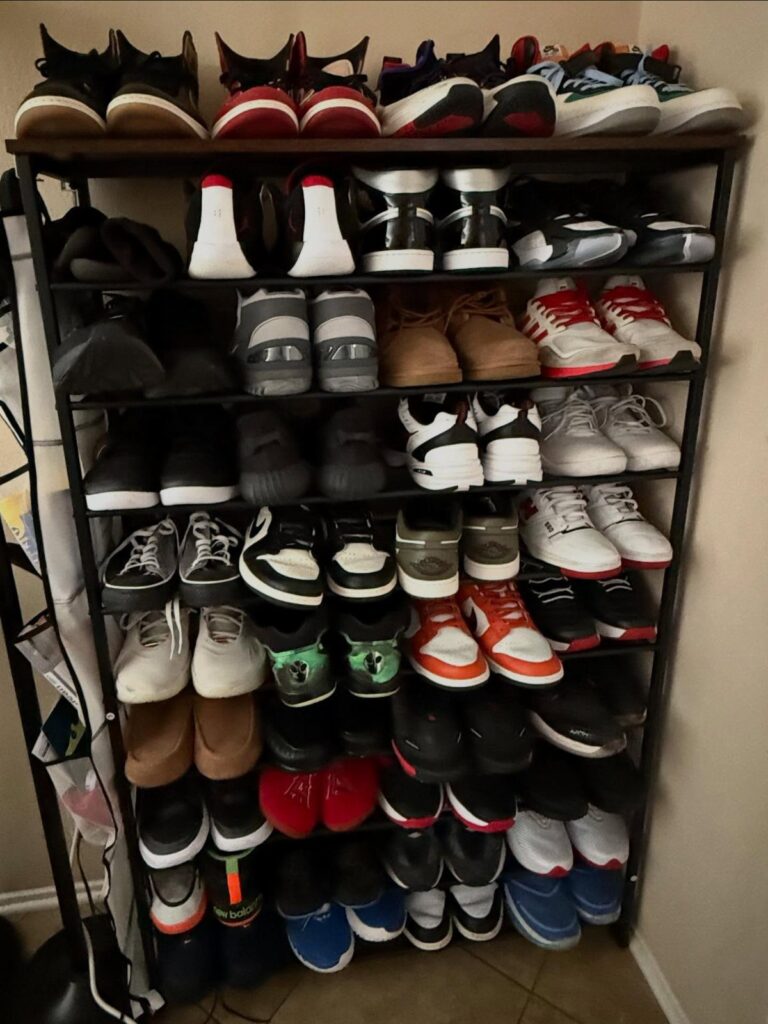
The ideas here run from a shoe slot organizer that costs a few dollars to a storage bench or hall tree that stands in for a piece of furniture, and where your shoes will live decides the pick: by the door, in a closet, or under the bed.
Shoes you wear daily belong in open, reachable spots, while off-season pairs can go behind closed fronts or in drawers.
1. Dedicated Shoe Shelf
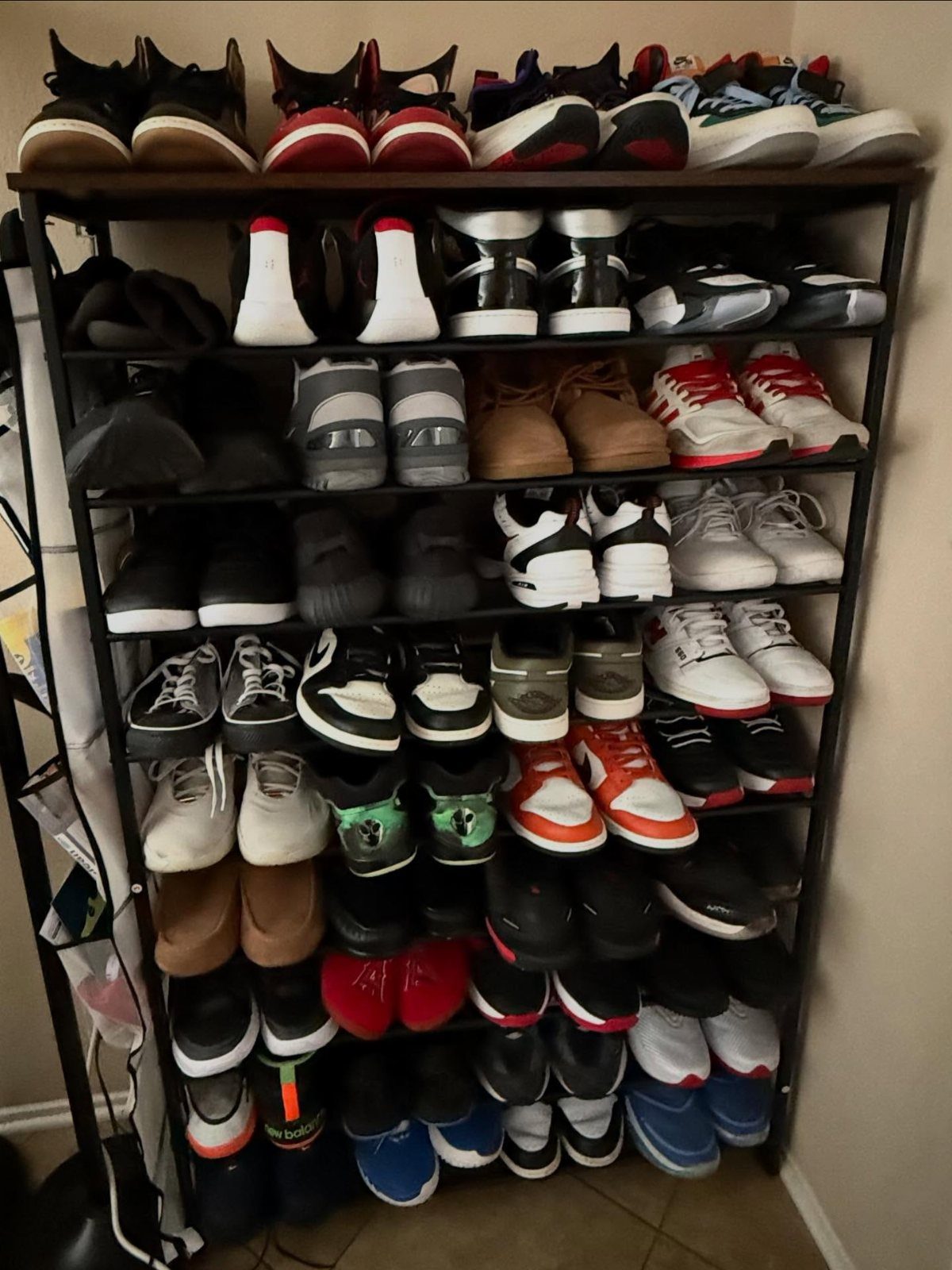
A black metal rack with several open tiers is the plainest way to give shoes their own home, and I like that it asks for no assembly skill beyond a few minutes with a screwdriver.
Open tiers keep every pair visible, so you stop digging through a pile by the door.
Sort by how often you wear a pair. Everyday sneakers go on the tier closest to waist height, and boots or dress shoes take the top and bottom levels.
If your entry gets wet, set a boot tray or a doormat underneath it to catch the drips.
2. Corner Shoe Shelves
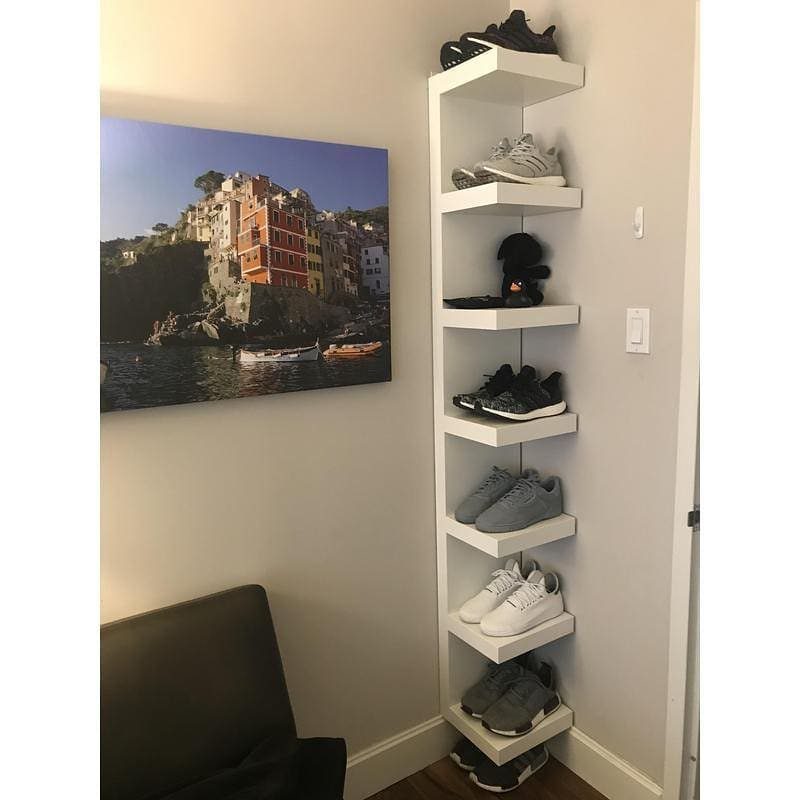
Corners are the wasted spots in most small rooms, and a tall, narrow shelf tucked into one gives shoes a place without taking any walking space.
A white finish keeps the unit from drawing the eye, which matters when the shelf sits in a living area rather than a closet.
Pick a design with a triangular or angled footprint so it sits flush against both walls. Each tier holds one pair, either toe-out or laid next to each other.
A hat or a bag can sit on the top tier, though I would keep that level for things you grab often.
3. Compact Shoe Cabinets
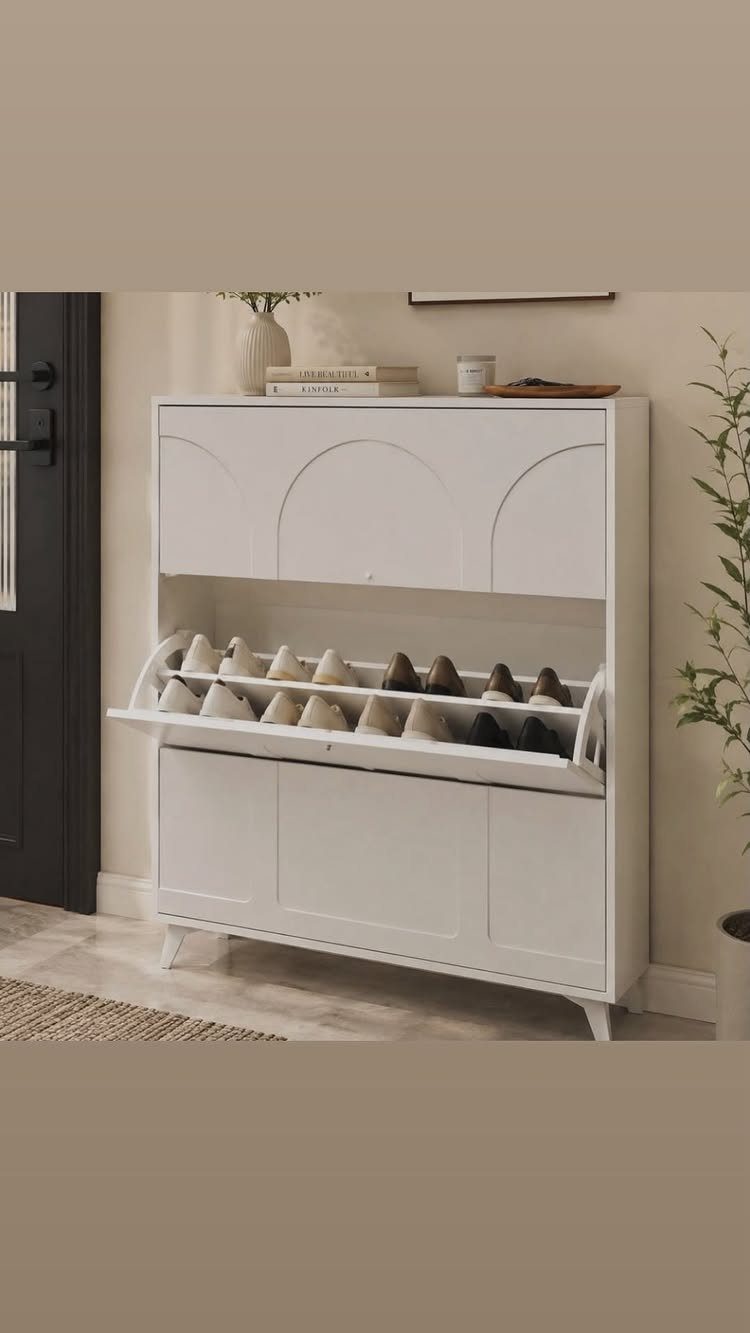
A slim cabinet with a flip-down drawer hides shoes behind a closed front, so the entryway looks tidy even when the pairs inside are not.
The flat top is also usable surface: a vase, a few books, or a bowl for keys all fit there.
I prefer this over open racks in a small living room, where visible footwear can make the space feel cluttered. The cost is capacity, since each drawer holds only a few pairs.
Measure the wall depth before buying so the drawer can still tip open fully.
4. Vertical Shoe Racks
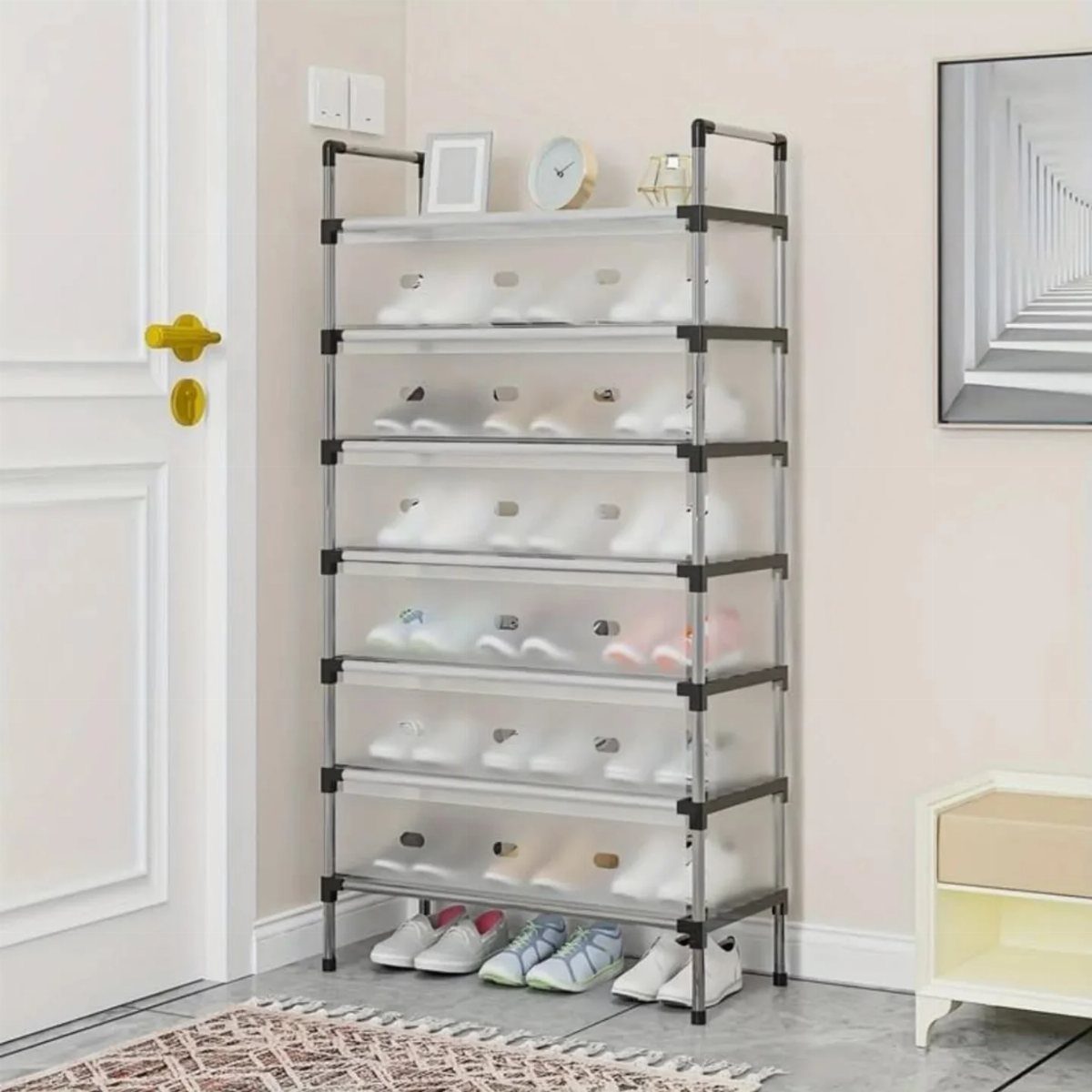
Stacking shoes in a tall, narrow frame puts height to work instead of floor area, and a six-tier rack with clear drawers is the version I would choose for sneakers.
The transparent fronts let you see each pair, while the drawers keep dust off.
Leave a few inches between the rack and the door swing so it never catches. Anchor a tall unit to the wall if the floor is uneven.
Clear drawers cost more than open shelves, so buy open tiers if budget is tight and save the drawers for white or light shoes that show dirt.
With room for up to 20 pairs, this tower-style best seller supplies a lot of space while still maintaining a relatively small footprint.
5. Shoe Storage Bench
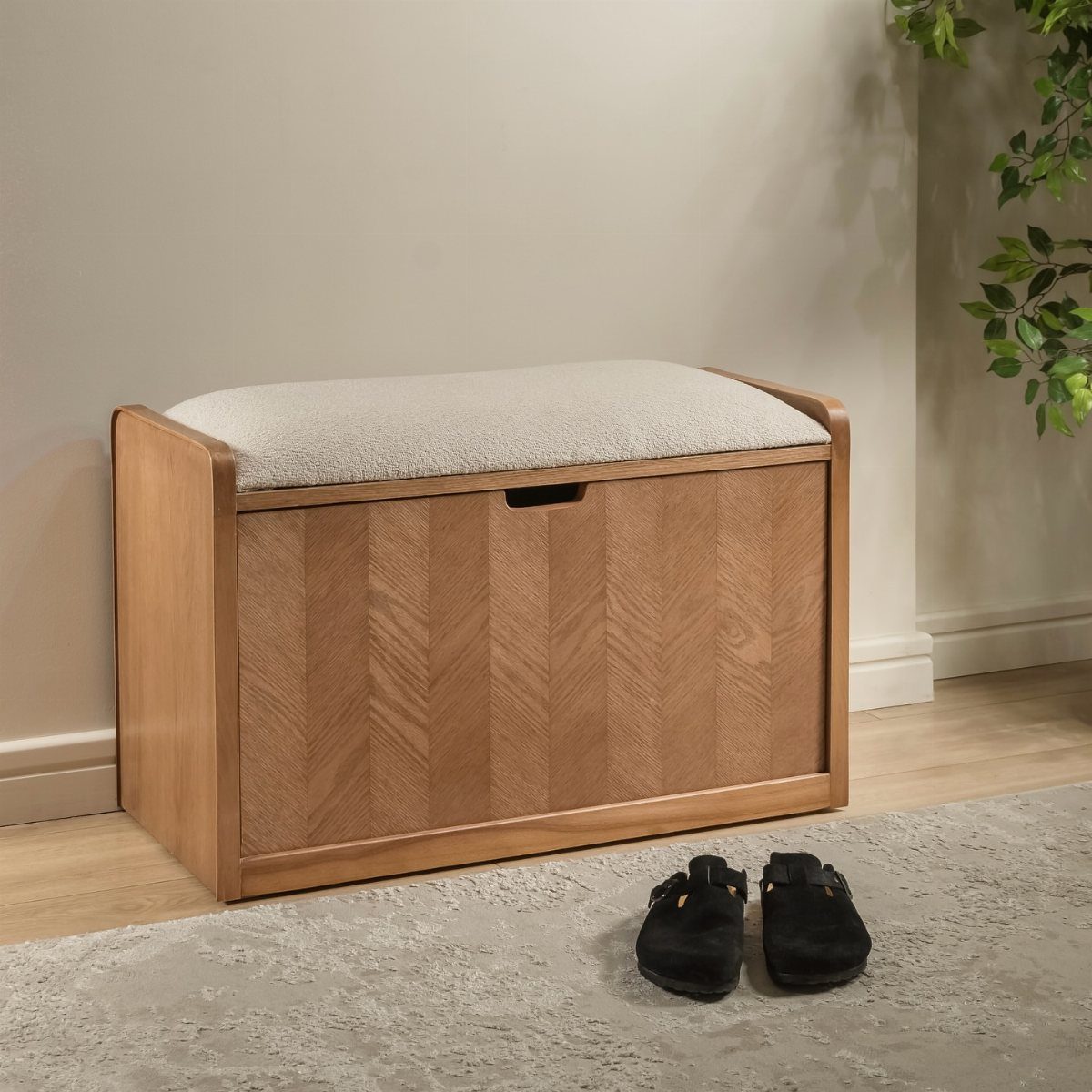
Sitting down to put on shoes is a habit worth building around, and a wooden bench with a padded top and a flip-down front does that while hiding the pairs underneath.
It replaces a separate seat and a separate rack with one piece of furniture.
A cushion in a light color looks good but shows dirt fast, so choose a removable cover if you can. Lay a rug in front to catch grit before it reaches the floor.
Capacity is the limit: a bench holds fewer pairs than a tall rack, so keep only the current season inside.
6. Clear Shoe Boxes
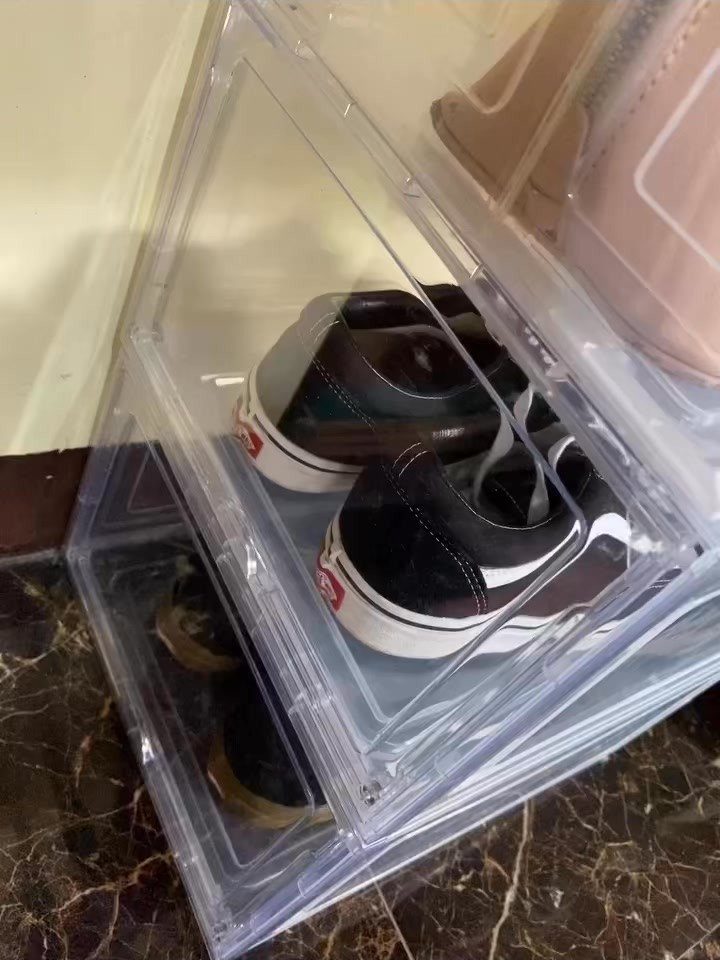
Stackable clear plastic boxes turn a pile of sneakers into a labeled wall of storage, and the see-through sides mean you never open a box to find out what is inside.
Each pair gets its own box, which keeps soles from marking other shoes.
Start with the pairs you wear least and stack those at the bottom, leaving the top row for daily wear. Stack only as high as you can reach comfortably.
Boxes work on a closet floor or against any bare wall, and you can add to the stack one box at a time as your budget allows.
7. Shoe Slot Organizers
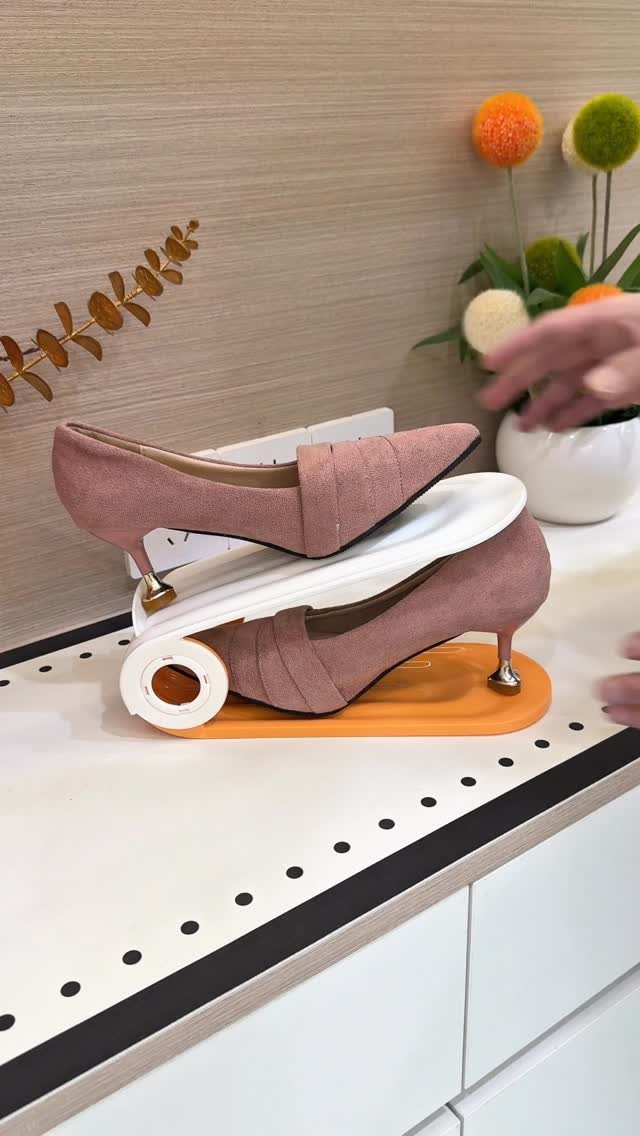
An adjustable plastic slot holds one shoe tilted up, so a pair of heels takes the footprint of a single flat shoe. That is the whole trick, and it suits a shelf where every inch of depth counts.
Set the slot to the height of the pair you own, then lock it before you load it. High heels and flats need different settings, so adjust each slot rather than leaving them all the same.
Pairs stay visible and easy to grab. Plastic slots are cheap, which makes them an easy first fix on a budget.
8. Entryway Hall Tree
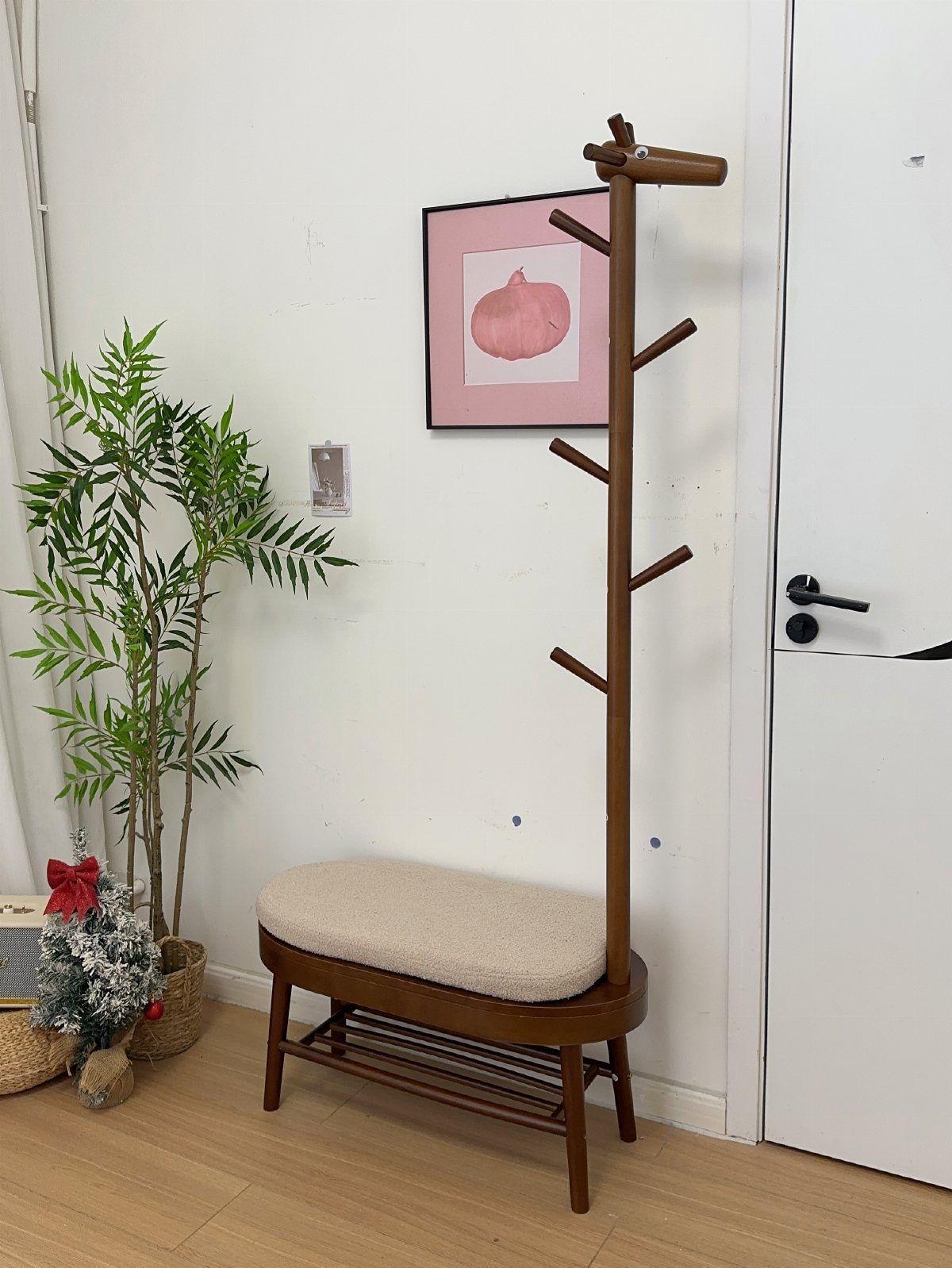
A hall tree packs three jobs into one frame: hooks for coats at the top, a seat in the middle, and a slatted rack for shoes at the bottom. In a small entry, that replaces 3 separate pieces.
I like the wood finish with a cushioned seat, since it feels like furniture rather than a storage unit. Keep only the pairs you wear this week on the lower rack, and move the rest to a closet.
Check the seat height and the hook spacing before buying. Hooks set too close together leave bulky coats piled on each other.
9. Under Bed Storage Drawers
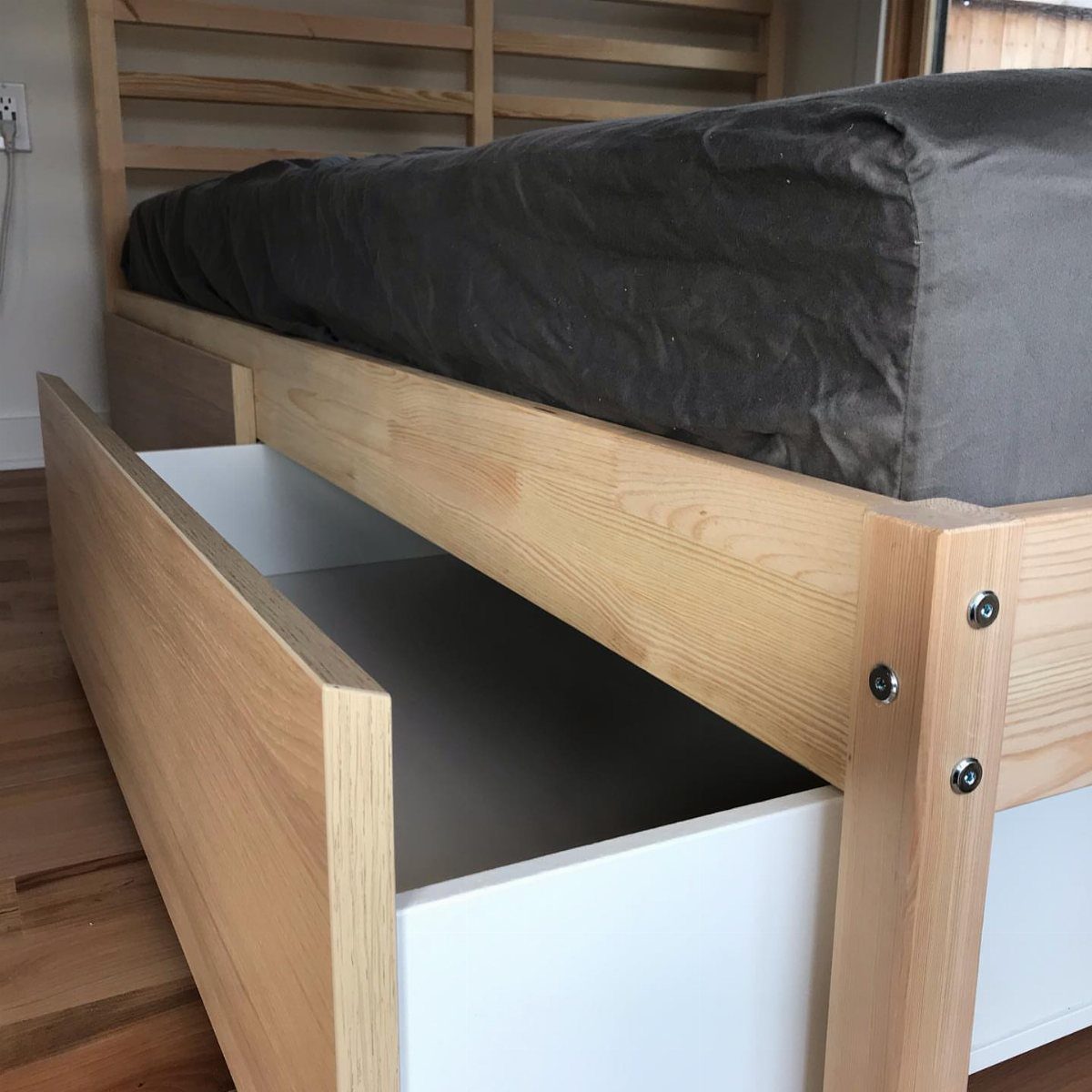
Pull-out drawers under a bed frame turn dead floor space into a shoe closet nobody sees. A shallow drawer on a hardwood floor slides out easily, and a closed one hides everything.
Measure the gap between the floor and the frame before you shop, then leave room for the drawer to open fully beside the bed.
Store off-season pairs here and keep daily shoes by the door, because bending down every morning gets old fast.
Drawers cost more than loose bins, but they keep dust off the shoes.
Maximizing Vertical Space
Height is the cheapest square footage in a small home, and tall, narrow cabinets are the way to claim it.
Look for one with multiple shelves and compartments in a slim frame; modern and farmhouse finishes both come in narrow versions, so you can match the room instead of settling.
A ladder-style rack is the budget route. It leans against the wall with a pair on each tier up to the top, and it suits everything from heels to sneakers.
You can also build one from an old ladder. Mount a shelf on each step, then paint or stain it to match the room.
Before you lean anything tall against a wall, check that it sits steady, with the heaviest boots on the lowest tiers.
Organizing by Type or Color
Sorting beats stacking when mornings are rushed. If your closet runs to black, gray, and tan, sorting by color won’t tell you much; group by type or heel height instead.
Put all the knee-highs in one spot and you’ll stop digging through boxes every time you need them.
If you love color, arranging by shade is a perfectly good system and looks good on open shelves.
For a bigger collection, use labeled bins: sandals, boots, sneakers, heels. Another option is sorting by season, which puts winter or summer shoes within reach when you actually wear them.
Labels help anyone else in the house put pairs back in the right place. Bins also keep shoes from getting jumbled together, which helps them hold their shape.
Frequently Asked Questions
What are some effective shoe storage ideas for a hallway?
For a hallway, I’d choose a narrow tip-out shoe cabinet: the door keeps the clutter out of sight, and the top surface gives you a spot for keys, mail, or a small vase.
Simple shoe cubbies also work in a narrow hallway because each pair gets its own compartment.
A hall tree is another good choice: it puts coat hooks, a seat, and a slatted shoe rack in one frame, so it replaces three separate pieces.
What size storage box for shoes?
A clear stackable shoe bin around 12 inches wide and 12 inches deep fits most pairs, and it comes in a small version about 4.75 inches tall and a large one about 8 inches tall.
Go with the taller size for boots or bigger shoes, since the small one is a tight fit. One pair per box keeps heels and soles from scuffing the shoes next to them.





